

Operation Against BidenCash Marketplace
The recent law enforcement action, known as Operation Against BidenCash Marketplace, has dealt a significant blow to a prominent darknet credit card market. This coordinated takedown targeted the infrastructure of a service notorious for selling stolen financial data, aiming to disrupt the illicit economy that thrives on such platforms. The operation highlights the ongoing battle against cybercrime, particularly the trade of compromised payment details within the darknet credit card market ecosystem. For further details on related security threats, visit the security advisory portal.
Seizure of Domains and Cryptocurrency
A coordinated international law enforcement operation successfully targeted and dismantled the darknet credit card marketplace known as BidenCash. This action involved the seizure of the platform’s public-facing website and several related domains, effectively removing its primary means of operating and communicating with its criminal user base. The takedown disrupted a significant hub for the illicit trade of stolen payment card data and personally identifiable information.
The marketplace specialized in the bulk sale of stolen credit and debit card information, often referred to as “dumps” and “CVV2” data. This information is typically used by criminals to commit fraud, including unauthorized purchases and the creation of counterfeit physical cards. The seizure of the domains prevents buyers and sellers from accessing these stolen financial records, dealing a direct blow to the digital underground economy that fuels widespread financial crime.
In a significant escalation of the crackdown, authorities also moved to confiscate the cryptocurrency holdings of the marketplace. This financial seizure is a critical component of modern cybercrime enforcement, as it directly targets the monetary incentives that drive these illegal operations. By following the digital money trail and seizing virtual assets, law enforcement aims to not only disrupt but also financially cripple such enterprises, making them less profitable and more risky for their operators.

The operation against this market sends a clear message to the broader criminal ecosystem, including the various carding forums where such services are often advertised and reviewed. The success of this takedown demonstrates that law enforcement agencies are increasingly capable of piercing the anonymity of the darknet, identifying key players, and hitting them where it hurts most—their infrastructure and their finances. This ongoing effort aims to create a hostile environment for any platform seeking to profit from the trade in stolen financial data.
Scale of Marketplace Operations and Revenue
The coordinated international law enforcement action, known as Operation Against BidenCash, targeted a significant darknet marketplace specializing in the sale of compromised financial data. This takedown was a direct strike against a platform that served as a hub for cybercriminals to monetize stolen information. The operation involved agencies from multiple countries working in unison to dismantle the infrastructure and identify the individuals behind the service.
The scale of the marketplace’s operations was substantial, with initial reports suggesting it hosted data from millions of compromised payment cards. The platform operated with a high degree of organization, offering a searchable database where buyers could filter stolen credit cards by country, bank, or card type. This level of sophistication indicates a professional criminal enterprise focused on maximizing profit and accessibility for its user base.
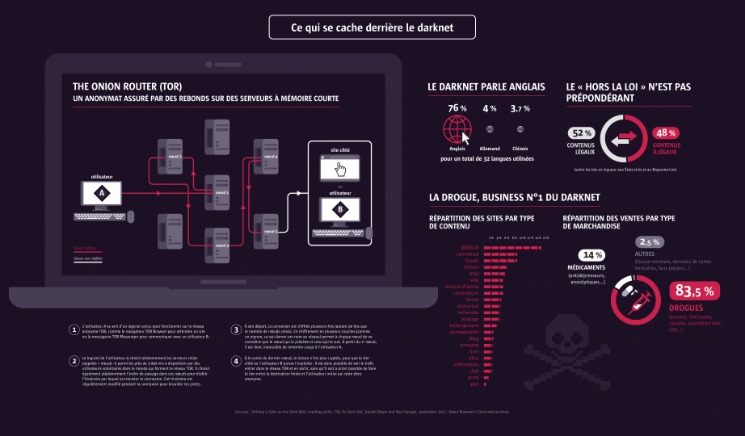
In terms of revenue, the marketplace generated significant illicit profits through its commission-based model. While precise figures are difficult to ascertain, the volume of data available suggests earnings in the millions of dollars. The operators facilitated thousands of transactions, creating a persistent and significant threat to global financial security by enabling widespread fraud on an industrial scale.
Types of Stolen Data Sold
In a significant law enforcement action, Operation Against BidenCash targeted a prominent darknet marketplace specializing in the sale of stolen financial data. This marketplace operated as a hub for cybercriminals to trade in illicitly obtained payment card information and other personal details, fueling fraud and identity theft on a global scale.
The types of stolen data sold on such platforms are extensive and designed for immediate criminal use. The primary commodity is stolen credit card information, often sold as “dumps” containing the data from a card’s magnetic stripe or as “CVV2” details which include the card number, expiration date, and security code. A crucial piece of information frequently included is the Bank Identification Number (BIN), which identifies the issuing institution and is the first step in verifying a card’s legitimacy for fraudulent transactions.
Beyond payment card data, these markets offer a wide array of compromised personal information. This includes fullz, which are complete dossiers of an individual’s identity containing name, address, Social Security number, and date of birth. Additionally, criminals can purchase hacked account credentials for online banking, e-commerce sites, and subscription services, as well as forged identity documents like driver’s licenses and passports to facilitate cashing out stolen funds.
Law Enforcement Agencies Involved
A coordinated international law enforcement operation successfully dismantled a significant darknet marketplace known as BidenCash. This platform operated as a hub for the illicit trade of stolen payment card information, facilitating widespread financial fraud. The takedown represents a major blow to cybercriminals who rely on such hidden services to monetize stolen data.
Multiple agencies across several countries collaborated to infiltrate and shutter the marketplace. This joint effort involved specialized cybercrime units from the United States, Europe, and other regions, working in concert to track the platform’s infrastructure and identify its operators. Their investigation revealed the marketplace was a primary source for the sale of dumps, which are the digital copies of information from the magnetic stripes of credit and debit cards.
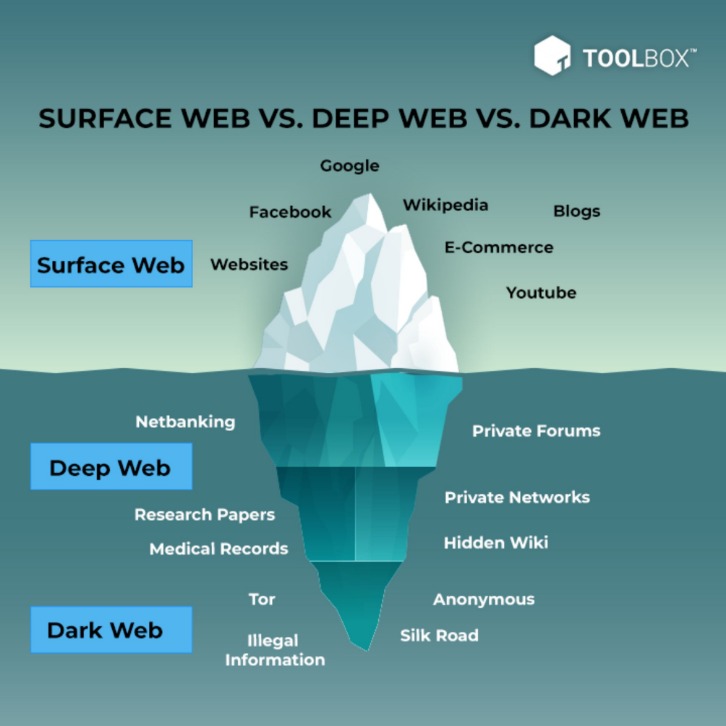
The operation’s success highlights the ongoing commitment of global law enforcement to combat economic crime on the darknet. By seizing the marketplace’s servers and arresting key individuals, authorities have prevented a significant volume of stolen financial data from being used for fraudulent transactions. This action serves as a strong warning to those involved in the trade of compromised payment card details.
Legislative and Regulatory Responses
In response to the escalating threat of financial cybercrime, governments worldwide have enacted a range of legislative and regulatory measures. These actions aim to dismantle the infrastructure supporting illicit online economies, including the pervasive darknet credit card market. Enhanced Know Your Customer (KYC) protocols and stricter anti-money laundering (AML) frameworks are being mandated to disrupt the financial flows that sustain these illegal bazaars. Authorities are also pushing for greater international cooperation to pursue and prosecute the operators of these sites, such as those formerly hosted on domains like Ares Market. The ultimate goal is to increase the operational risk and cost for criminals, thereby protecting consumers and financial institutions from the damages caused by the darknet credit card market.
Financial Technology Protection Act

The rise of darknet credit card markets, where stolen payment data is illicitly bought and sold, has prompted significant legislative and regulatory responses aimed at disrupting these criminal ecosystems. A key piece of legislation in the United States addressing this threat is the Financial Technology Protection Act. This act is not solely focused on credit card fraud but takes a broader approach to the misuse of financial technologies, including cryptocurrencies, for illicit purposes such as terrorism financing and money laundering.
The Act establishes a multi-agency task force, the Independent Financial Technology Working Group, to investigate and analyze emerging financial technologies and their use by malicious actors. Its mandate includes developing strategies to combat the use of new financial tools in cybercrime, which directly encompasses the operational models of darknet markets. By focusing on the entire financial pipeline, from the initial data theft to the final cashing out of funds, the legislation aims to create a more hostile environment for these illegal operations.
For a darknet vendor trading in stolen credit card information, the implications of such regulatory frameworks are substantial. The Act promotes enhanced cooperation between government agencies and the private sector, encouraging the development of advanced countermeasures. This can lead to more sophisticated tracking of cryptocurrency transactions used for payments on these platforms, making it increasingly difficult for criminals to profit from their activities without detection. The ultimate goal is to dismantle the economic incentives that power these markets by targeting the movement and laundering of their illicit proceeds.
- In a similar study earlier this year, we noted an average price of 3.13 cents per dollar in the account.
- Tabea Bereuther from the Institute for Economy and the Environment at the HSG has taken a closer look at these strategies in her dissertation.
- Towards the end of 2020, Joker’s Stash the largest Dark Net credit card marketplace embarked on its termination.
- Despite its name, the marketplace operates primarily in English and serves a global audience.
- The market is known for its extensive product listings and reputation system that helps buyers evaluate the reliability of vendors.
- Credit card fraud on the dark web operates quite differently from what many people imagine.
In conclusion, while direct law enforcement actions against marketplaces and their users continue, the Financial Technology Protection Act represents a strategic, financial-level response. It seeks to harden the financial infrastructure against abuse, thereby constricting the flow of money that enables darknet credit card markets to thrive. This regulatory pressure, combined with ongoing technical and investigative efforts, forms a critical component of the modern fight against cyber-enabled financial crime.
Combating Illicit Finance on Digital Asset Platforms
Legislative and regulatory bodies globally are intensifying their focus on digital asset platforms to combat the financial pipelines that fuel darknet markets, including those specializing in stolen credit card data. The anonymity and cross-border nature of cryptocurrencies have historically been exploited to launder proceeds from various crimes, creating a significant challenge for traditional financial oversight. In response, governments are enacting stringent frameworks that treat these platforms similarly to conventional financial institutions.
A cornerstone of this regulatory approach is the enforcement of Anti-Money Laundering (AML) and Counter-Financing of Terrorism (CFT) obligations. This mandates that virtual asset service providers (VASPs) conduct thorough Know Your Customer (KYC) checks, monitor transactions for suspicious activity, and report to financial intelligence units. The goal is to dismantle the financial anonymity that shields illicit actors, making it increasingly difficult to convert fiat currency to crypto and back again without detection, thereby disrupting the entire ecosystem that supports darknet operations, including the sale of data obtained through payment fraud.
Furthermore, regulatory efforts are expanding to target the entire transaction lifecycle, not just the point of exchange. This includes proposed regulations for decentralized finance (DeFi) protocols and stricter oversight of cryptocurrency mixers and tumblers, which are often used to obfuscate the trail of illicit funds. The message from regulators is clear: the digital asset industry must implement robust compliance programs to prevent their services from being weaponized by criminals who profit from the theft and resale of personal financial information.
The Broader Illicit Crypto Economy
The broader illicit crypto economy thrives in the hidden corners of the internet, facilitating a multi-billion dollar underground marketplace. While often associated with narcotics, this ecosystem supports a vast range of criminal commerce, including the pervasive darknet credit card market. On platforms like Abacus Market, vendors sell everything from stolen financial data to sophisticated hacking tools. The entire operation is powered by cryptocurrencies, which provide a layer of anonymity for both buyers and sellers, making the global darknet credit card market a persistent and challenging threat to financial security worldwide.
Rising Value of Crypto-Related Crime
The darknet credit card market represents a significant and persistent segment of the broader illicit crypto economy. These clandestine platforms operate as digital bazaars where vast quantities of stolen payment card data are listed, sold, and purchased using cryptocurrencies. The anonymity afforded by darknet infrastructures, combined with the pseudo-anonymous nature of crypto transactions, creates a resilient environment for this type of fraud to flourish. The rising value of crypto-related crime is directly fueled by the high profitability of these markets, which drain billions from the global financial system annually.
Within these markets, the reputation of a vendor is the cornerstone of their operation. Unlike traditional e-commerce, there is no legal recourse for a faulty product, so trust is established through detailed vendor ratings, customer feedback, and escrow services held in cryptocurrency. A reliable vendor builds a clientele by consistently providing “fresh” and high-validity card data, often categorized by country, bank, or card type. This professionalization of criminal service is a key factor in the market’s endurance and sophistication.
The lifecycle of the stolen data illustrates the extensive damage caused. Once a criminal purchases the information, it is often used for card-not-present fraud, to create physical clones, or to facilitate further identity theft. The end result is a cascading effect of financial loss for individuals, merchants, and financial institutions. The persistent operation of these markets underscores a critical challenge for global law enforcement, which must navigate jurisdictional boundaries and the obfuscating layers of cryptocurrency mixers and tumblers to disrupt these profitable illicit enterprises.