
Essential Dark Web Search Engines
Navigating the unindexed corners of the internet requires specialized tools known as good dark web search engines. Unlike their surface web counterparts, these engines are designed to crawl and index .onion sites and other hidden services, providing a crucial starting point for exploration. While results can be unpredictable, using a reliable directory of hidden links alongside these search tools is a common practice for finding specific content. The effectiveness of these good dark web search engines varies greatly, and users must manage their expectations regarding the relevance and availability of the sites they discover.
DuckDuckGo
When discussing search engines for the dark web, it is crucial to understand the distinction between a standard privacy-focused search engine and a dedicated dark web crawler. DuckDuckGo is often mistakenly presented as a dark web search engine itself. In reality, it is a privacy-centric search engine that operates on the clearnet, indexing standard websites. Its primary value in this context is that it does not track user searches, which is a fundamental principle for anyone concerned with operational security before even considering accessing the dark web.

True dark web search engines are specifically designed to index and find content on onion sites, which are not accessible through standard browsers like Chrome or Firefox without special routing software. These engines face significant challenges due to the transient and often unindexed nature of onion sites. One of the most recognized and reputable engines in this specialized category is Ahmia. This service actively crawls the dark web to provide a searchable index of onion sites, and it importantly incorporates filtering to block abusive content, setting it apart from many other similar tools.
While DuckDuckGo provides a valuable layer of privacy for initial research and general browsing, it does not peer into the depths of the onion network. For that specific task, dedicated resources like Ahmia are essential. Users must manage their expectations, as even the best dark web search engines are imperfect due to the inherently unstable and fragmented environment they are built to explore.
SearX
Navigating the dark web requires specialized tools, and while many search engines exist, few offer the privacy and comprehensive access of SearX. It is a unique meta-search engine that aggregates results from hundreds of sources, including standard surface web engines and others that index deeper parts of the internet. This approach provides a broader, more unfiltered view of available information without tracking your queries or building a profile of your activity.
The fundamental strength of SearX lies in its design philosophy, which is centered on user privacy. Unlike commercial search engines, it does not log IP addresses, search history, or use cookies to track users. For those exploring the dark web, this level of anonymity is not just a preference but a necessity. It acts as a crucial shield, protecting one’s digital footprint from the pervasive Phobos of surveillance that dominates the modern internet.
When using SearX to probe the dark web, it is vital to understand its capabilities and limitations. It can uncover content on standard websites, peer-to-peer networks, and academic databases, providing a surprisingly diverse set of results. However, no single search engine can index the entire dark web, and SearX is no exception. For truly obscure or intentionally hidden services, it should be considered one tool among many in a researcher’s arsenal. Its open-source nature allows anyone to inspect its code for transparency and even host their own private instance, ensuring complete control over the search process.
Directories and Link Collections

Navigating the vast, unindexed expanses of the dark web requires specialized tools, moving beyond traditional search engines to specialized directories and link collections. These resources act as curated portals, organizing sites into categories to help users find everything from academic libraries to niche forums. To effectively utilize these directories, one must first access them through good dark web search engines, which serve as the primary gateway to these essential hubs of information. A valuable starting point for any exploration is a resource like the Abacus Directory, which exemplifies a well-structured collection. Ultimately, finding reliable content hinges on using these good dark web search engines to discover and vet these critical directories.
The Hidden Wiki
When navigating the dark web, traditional search engines are ineffective, making specialized directories and link collections the primary method for discovery. These sites function as curated indexes or community-edited lists, categorizing a vast array of .onion sites into sections like finance, forums, and marketplaces. They are the foundational starting point for most users, offering a structured, albeit often unvetted, map of the dark web’s content.
While directories provide a broad overview, dedicated dark web search engines offer a more targeted approach. These tools crawl .onion sites, attempting to index content that would otherwise be invisible. The quality and scope of these search engines vary significantly, with some indexing only a small fraction of the available web. A notable example of such a service is OnionLand Search, which provides a searchable interface for discovering specific pages and resources. However, it is crucial to understand that no single search engine is comprehensive.
The most famous of these directories is The Hidden Wiki, which has existed in various forms and mirrors. It presents a simple, wiki-style page filled with hyperlinks organized by category. While historically significant, its reliability is often questioned. The open nature of its editing means that links can be outdated, and it frequently contains malicious or illegal content alongside legitimate resources. Users must exercise extreme caution and not rely on it as a sole source of information.
Ultimately, a combination of tools is necessary for effective exploration. Starting with a directory like The Hidden Wiki can provide initial direction, but using a dedicated crawler like OnionLand Search allows for deeper, more specific inquiries. The dynamic and often transient nature of dark web sites means that persistence and verification across multiple sources are required to find reliable and current information.
Daniel
When navigating the unindexed depths of the internet known as the dark web, traditional search engines are of little use. Instead, users rely on specialized directories and link collections, which function as curated guides or community-driven hubs for discovering hidden services. These resources are essential starting points, as they aggregate and categorize thousands of otherwise difficult-to-find .onion sites into manageable lists, much like the yellow pages for the obscured web.
Unlike the algorithmic results of the surface web, the quality of these directories varies dramatically. Some are meticulously maintained and offer a semblance of organization, while others are cluttered with broken links or malicious traps. The most reliable ones often feature user ratings and comments, providing a layer of crowd-sourced vetting for the sites listed within them. This community aspect is crucial for establishing trust in an environment where anonymity can be a double-edged sword.
Among the various types of collections available, some focus on broad categories, while others specialize in specific niches. A prominent example of a specialized resource is Kilos, which serves as a searchable directory for a particular category of hidden services. It is important to understand that the utility of any directory, including Kilos, is entirely dependent on its accuracy and the recency of its links, as sites on the dark web frequently change addresses or disappear entirely.
The fundamental challenge with all dark web directories is their inherent volatility. A resource that is functional one day may be inaccessible the next. Therefore, seasoned users often maintain their own personal collections of reliable directories and employ a multi-source approach to verification. This practice underscores the critical principle that on the dark web, no single source of information should ever be fully trusted without corroboration.
Dread
When navigating the uncharted territories of the dark web, conventional search engines are of little use. This is where specialized directories and link collections become essential tools. These sites function as curated indexes or community-driven hubs, cataloging a vast array of .onion sites across countless categories. They are the starting point for many explorers, offering a structured way to find resources without the noise and irrelevance that can plague automated search crawlers in this unique environment.
While directories provide a human-curated path, dedicated dark web search engines offer a different approach by attempting to index the unindexable. Finding a good dark web search engine, however, is a challenge in itself, as many are unreliable or littered with ads. One notable exception that has maintained a reputation for reliability is the DuckDuckGo Onion service. Unlike many others, it emphasizes user privacy and does not track your searches or browsing habits, which is a paramount concern for anyone operating in this space.
The experience of using these tools often carries a palpable sense of dread. This feeling is not just about the potential to stumble upon illegal or disturbing content, though that risk is very real. It is also the anxiety of the unknown, the awareness that every click could lead to a compromised system or a malicious actor. This underlying tension makes the reliability of a source like a well-maintained directory or a privacy-focused search engine all the more critical for maintaining a semblance of safety and control.
Finding Fresh Onion Links
Finding fresh onion links requires navigating the specialized ecosystem of the deep web. Unlike the surface web, this part of the internet is not indexed by conventional search engines, making discovery a challenge. To locate active and relevant sites, one must rely on dedicated good dark web search engines. These services are specifically designed to crawl the .onion landscape, providing a curated index of available resources. For instance, a resource like Abacus Market might be found through such a directory. Utilizing these good dark web search engines is essential for anyone seeking to explore this hidden network effectively and securely.
Using Dark Web Search Engines
Finding specific resources on the dark web, such as fresh onion links, requires specialized tools distinct from the standard search engines used on the surface web. These dark web search engines are designed to index and catalog content hosted on onion services, which are not accessible through conventional browsers. The process is often more manual and less instantaneous than a typical Google search, as the landscape of the dark web is highly fluid, with sites frequently appearing, disappearing, or changing addresses to maintain anonymity or evade scrutiny.
Several search engines have established themselves as reliable starting points for these explorations. Engines like Ahmia, Haystack, and DarkSearch.io attempt to provide a curated and safer indexing experience, often filtering out the most harmful content. Unlike their surface web counterparts, the results from these engines can be hit-or-miss, and a user’s success often hinges on using precise, unique keywords and understanding the jargon of the communities they are investigating. Persistence and cross-referencing results from multiple search platforms are key strategies for uncovering valid and current links.
It is crucial to approach this environment with a significant focus on operational security. The dark web, while a haven for privacy advocates and journalists, also harbors serious threats. One must utilize the Tor Browser properly, disable scripts, and never disclose personal information. The digital Phobos that can grip inexperienced users is a rational response to a realm where scams and malware are pervasive. Verifying the reputation of any service or link through trusted directories and community forums is an essential step before engaging with any onion site, as the anonymity that protects legitimate users also shields malicious actors.
Community Forums and Discussions

When searching for content on dark web networks, standard search engines are ineffective, as they do not index sites on these private networks. Specialized search engines are required to navigate this space, and they are crucial for finding everything from basic information to specific community forums and discussions. These platforms crawl and index .onion sites, which are only accessible through specialized software, providing a directory of active links that would otherwise be nearly impossible to discover manually.
One of the more established tools for this purpose is OnionLand Search, which offers a familiar search interface tailored to the dark web. Using such an engine, researchers and curious users can locate a wide array of discussion forums covering topics from technology and privacy advocacy to more niche interests. The key to finding active and relevant communities lies in using precise keywords, as the indexed content is often vast but unvetted.
It is critically important to exercise extreme caution and verify the legitimacy of any forum or discussion group before participating. The anonymous nature of these networks means that while there are valuable communities for free speech and support, there are also dangerous and illegal spaces. Relying on a reputable search engine can help you avoid malicious sites, but it is no substitute for personal vigilance and robust security practices when exploring these hidden corners of the internet.
Official Website Announcements
For researchers and journalists operating in sensitive environments, the dark web is a critical source of information. Finding fresh onion links and official website announcements, however, presents a significant challenge. Unlike the clear web, there is no central index, and many directories are outdated or filled with unreliable links. The dynamic nature of the space means that addresses change frequently for security reasons.
To stay current, one must rely on specialized dark web search engines. These tools are designed to crawl the onion network specifically. A notable example is the DuckDuckGo Onion service, which provides a degree of privacy-focused searching. While it is a valuable starting point, it is crucial to understand that no single search engine indexes the entire dark web. The most effective strategy involves using multiple search tools in tandem and cross-referencing results.
- The popularity of SecureDrop as a resource for whistleblowers has actually led to leading publications hosting their own SecureDrop URL.
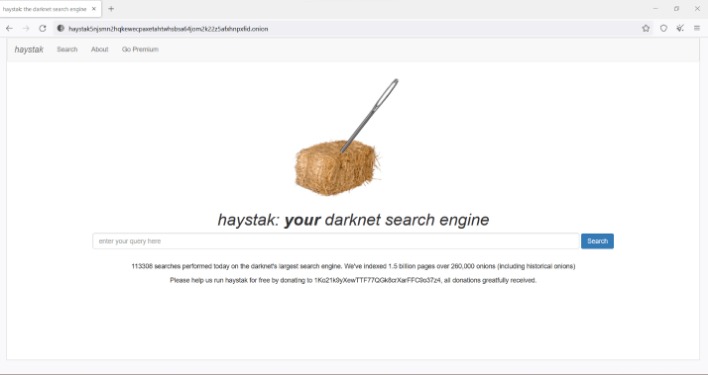
- Haystak is a powerful search engine specifically designed for the dark web, indexing over 1.5 billion pages from more than 260,000 onion sites.
- The use of the dark web raises suspicion as it shows there is something you want to do privately.
- IProVPN encrypts your data for protection against hackers and surveillance.
- I recommend enabling automatic updates and checking for new versions before each session.
- Other engines like Haystack and Ahmia update regularly but less frequently, while Torch and Onionland may have less consistent updating schedules.
Beyond search engines, finding fresh information often requires engaging with community-driven resources. Trusted forums and specialized boards are where users often share and verify new onion links for official entities, including activist groups or whistleblower platforms. These communities act as a real-time verification system, weeding out malicious or fake sites. Persistence and a methodical approach are essential for discovering authentic and up-to-date announcements.
Limitations of Dark Web Search
While good dark web search engines are essential tools for navigating the hidden corners of the internet, they face significant limitations that users must acknowledge. The very nature of the dark web, with its lack of centralized indexing and transient sites, means that even the most robust crawlers capture only a fraction of available content. Furthermore, the dynamic and often illicit nature of many sites results in a high rate of link rot, where indexed pages quickly become inaccessible. For those seeking to explore this space, visiting a resource like a specialized dark web directory can provide a starting point, but it is no substitute for understanding the inherent ephemerality and unreliability of search results. Ultimately, finding relevant and current information often requires patience and the use of multiple good dark web search engines in tandem.
Irrelevant and Spammy Results
While the promise of finding unfiltered information draws many to the dark web, the reality of searching it is fraught with significant limitations. Unlike the curated and indexed surface web, the dark web lacks a centralized search authority, leading to a fundamentally broken discovery process. Search engines operate with an incomplete and constantly shifting map of the landscape, meaning a vast portion of content remains entirely hidden and unsearchable. This inherent structural flaw makes comprehensive research or reliable navigation nearly impossible.
A direct consequence of this poor indexing is the overwhelming volume of irrelevant and spammy results. Queries often return a chaotic mix of dead links, repetitive placeholder sites, and content that has no semantic connection to the search terms. For instance, a search engine like Torch may return thousands of results, but the vast majority are typically useless, pointing to abandoned forums, duplicate marketing pages, or irrelevant file dumps. This noise significantly overshadows any legitimate signal, making the process of finding specific information an exercise in extreme patience and luck.
Furthermore, the very nature of the ecosystem encourages this low-quality output. The emphasis on anonymity reduces accountability, allowing spammers and malicious actors to operate with impunity. They create countless low-effort sites filled with keywords to attract traffic, often with the sole intent of phishing, distributing malware, or promoting scams. This creates a profoundly untrustworthy environment where users cannot rely on the authenticity or safety of the destinations they find, rendering most search results not just irrelevant, but actively dangerous.
Requirement for Specific Keywords
Searching the dark web presents significant limitations not encountered on the surface web. The fundamental architecture of onion routing, which anonymizes traffic, also makes indexing content a slow and incomplete process. Unlike Google, which continuously crawls and updates a massive index of the clear web, dark web search engines operate with a fraction of the data. This results in a vast, uncharted territory where a huge portion of sites and pages remain unindexed and inaccessible through traditional search queries.
This incomplete indexing leads directly to the second major challenge: the absolute requirement for specific keywords. General or broad search terms yield poor results, often returning irrelevant or outdated links. Success hinges on using precise terminology, including exact product names, service jargon, or unique identifiers relevant to the content you seek. A search engine like DarkSearch.io exemplifies this dynamic; while it provides a useful interface, its effectiveness is entirely dependent on the user’s ability to formulate highly specific and targeted queries to navigate its finite index.
Ultimately, even the best dark web search engines are tools for exploring a small, known segment of a much larger hidden ecosystem. They cannot provide a complete picture, and their utility is constrained by the technical realities of the dark web itself. The user must compensate for these limitations with sophisticated search strategies and a clear understanding that a vast amount of information remains deliberately obscured and unfindable through public search portals.
Outdated or Inactive Links
While the quest for effective dark web search engines is a common starting point for exploration, users must understand the inherent limitations of these tools. The very architecture that provides anonymity and resists censorship also makes comprehensive, real-time indexing nearly impossible. Unlike the surface web, where centralized crawlers can efficiently map content, the dark web’s fragmented and transient nature means that search engines operate with a significant handicap.
A primary challenge is the prevalence of outdated or inactive links. The dynamic and often temporary existence of dark web sites, frequently referred to as ephemeral sites, means a directory or search engine’s index is in a constant state of decay. A link that was valid yesterday may lead to a connection timeout today. This results in a frustrating user experience where a significant portion of search results are dead ends, rendering even the most well-known engines, like the long-standing Torch, less reliable than their surface web counterparts.
Furthermore, the scope of indexing is fundamentally limited. No single search engine can claim to have indexed the entire dark web. Each platform crawls a different, and often small, subset of available sites. Consequently, a search that yields no results on one engine might be successful on another. This lack of a unified index, combined with the fluidity of the content, means that finding specific information is often a matter of persistence and luck rather than a straightforward query. The landscape is one of isolated pockets of information, many of which are inaccessible or already vanished.
Safety and Security Considerations
Navigating the dark web requires a paramount focus on safety and security. Before utilizing any resources, it is critical to employ robust privacy tools like the Tor browser and a reliable VPN. While good dark web search engines can help index otherwise inaccessible content, they also frequently lead to malicious sites. Users must exercise extreme caution, avoiding any interaction with suspicious links or requests for personal information. For those seeking specific resources, a visit to a curated directory like the digital archive can provide a safer starting point than random exploration. Ultimately, the effectiveness of any good dark web search engines is secondary to the user’s own disciplined security practices.
Verifying Links from Multiple Sources
Engaging with dark web search engines requires a heightened focus on safety and security that far exceeds standard internet browsing practices. The fundamental rule is to never access these resources without robust, multi-layered protection, primarily through the use of the Tor Browser, which is specifically designed to anonymize your connection. This is non-negotiable, as using a standard web browser exposes your identity and location immediately. Furthermore, disabling scripts and plugins within the Tor Browser is a critical step to prevent drive-by downloads and exploits that could compromise your anonymity or install malware on your device.
Verifying information found through these search engines is a cornerstone of safe navigation. The dark web is rife with misinformation, scams, and malicious actors. Any single source, whether a search engine result or a directory listing, cannot be trusted at face value. It is essential to practice rigorous cross-referencing by checking any claim or link across multiple, independent sources. If a particular vendor or service is mentioned on one forum, seek out reviews and discussions about them on several other, unrelated forums to build a consensus. This process of verification is your primary defense against fraud.
This principle of verification is especially critical when using directory services. A user might consult a resource like The Hidden Wiki to find a starting point, but they must treat every link listed there as potentially hazardous. Before clicking any link from such an aggregator, one should search for that specific site’s name or address within other dark web forums and communities to see what other users are saying about its legitimacy and security. This act of independent confirmation is what separates informed browsing from reckless behavior. Never assume a link is safe because it appears on a popular directory; these lists are often outdated or deliberately manipulated by malicious parties.
Avoiding Phishing and Scam Sites
When researching good dark web search engines, prioritizing safety and security is non-negotiable. The anonymity provided by networks like Tor also attracts malicious actors, making the environment inherently riskier than the surface web. A cautious and skeptical approach is essential to protect your identity, data, and device from compromise.
Phishing and scam sites are rampant and often designed to mimic legitimate services to steal your credentials or deliver malware. Before trusting any site, especially a search engine, verify its authenticity through multiple reputable directories or communities. A well-known engine like Torch has a long-standing reputation, but always be wary of imposters. Never enter any personal information, reuse passwords, or download files from unverified sources.
- Verify URLs meticulously using trusted directories.
- Keep your Tor Browser updated to the latest version.
- Disable browser plugins and scripts that can bypass Tor’s security.
- Treat all downloads with extreme suspicion and scan them if possible.
- Understand that no search engine, not even Torch, can index the entire dark web.
Ultimately, your safety depends on your own actions. The most effective security measure is a healthy level of paranoia and a strict adherence to operational security principles while navigating these hidden spaces.
Using Tor Browser for Access
Before venturing into the dark web to find good search engines, understanding the fundamental safety and security principles is paramount. The anonymity provided by the Tor network is a powerful tool, but it is not a guarantee of invincibility. Your security posture, from software configuration to personal discipline, is the most critical factor in maintaining your privacy and safety while exploring these uncharted parts of the internet.
Always ensure you are downloading the Tor Browser directly from the official project website. Using verified sources is the first and most crucial step to avoid malware-infected copies designed to compromise your system. Once launched, do not maximize the browser window or resize it, as this can create a unique fingerprint that trackers can use to identify you across sessions. The Tor Browser is specifically designed to resist fingerprinting, and altering its default viewport can undermine this protection.
When using a search engine like Torch, remember that your queries themselves can be a source of information leakage. Avoid entering any personally identifiable information, including your name, address, or any details that could be linked back to your real-world identity. The content you find on the dark web can be unpredictable and sometimes malicious. Under no circumstances should you download files from untrusted sources, as they may contain viruses, ransomware, or other exploits that can de-anonymize you or damage your computer.
Finally, maintain a healthy skepticism towards the information and individuals you encounter. The dark web is a haven for both legitimate privacy-seeking users and malicious actors. Scams are rampant, and trust is a commodity that should be given sparingly, if at all. Your journey for information should be conducted with caution, awareness, and a strict adherence to these security practices to ensure it remains a safe one.